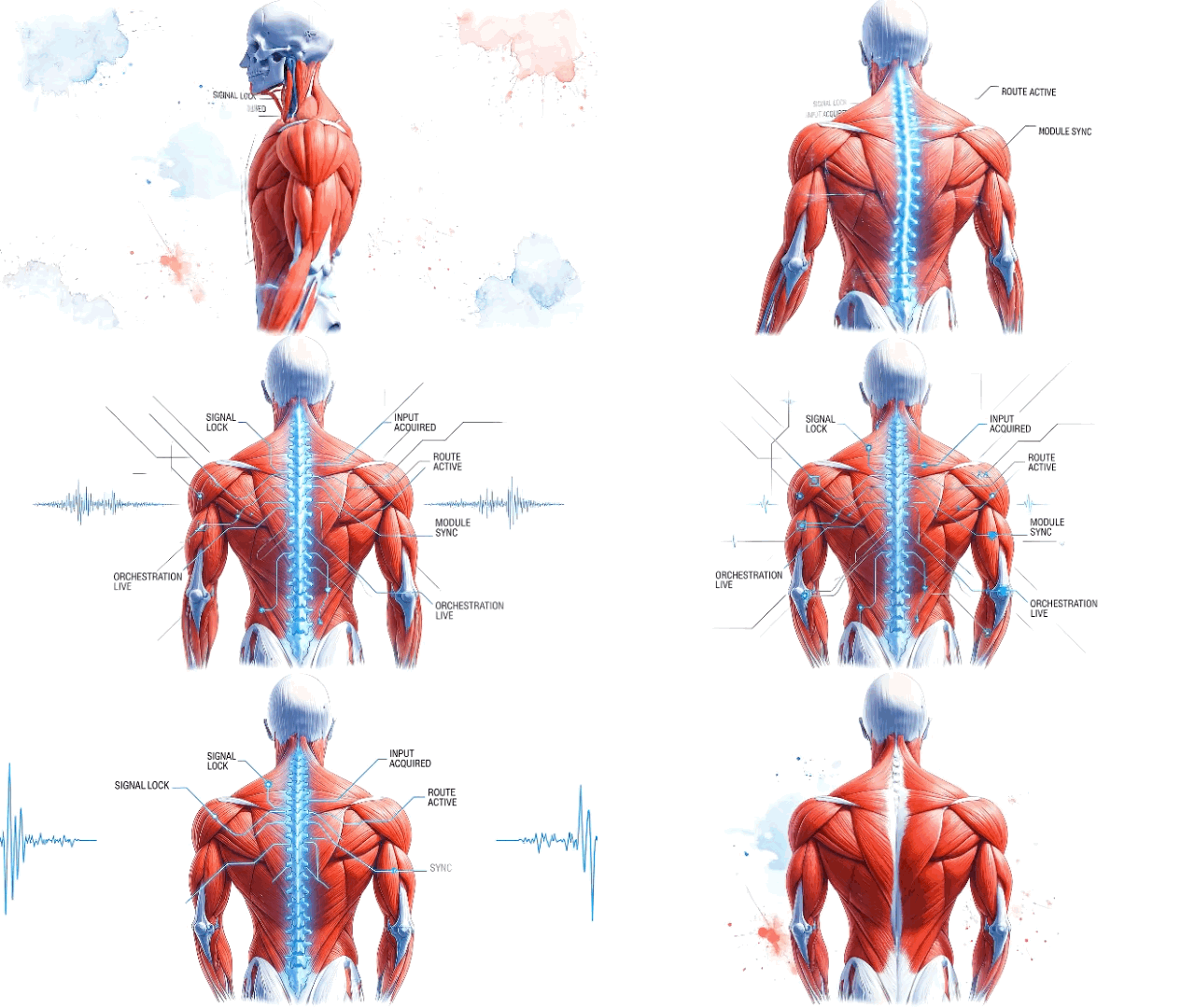
Definition: GUMI™ governs the Mynki ecosystem, unifying IMPRINTS™, PRYSM™, NeuroDrift™, and Mynki Bars™ into a real-time operating system.
Role: Interprets, prioritizes, and routes biomechanical, physiological, and neural signals.
Value: Converts fragmented inputs into coordinated execution across all environments.
Technologies: Python, Streamlit, orchestration logic, real-time routing, state management.
Challenge: Athlete data streams are fragmented across devices and rarely translate into clear, actionable performance insight for training decisions.
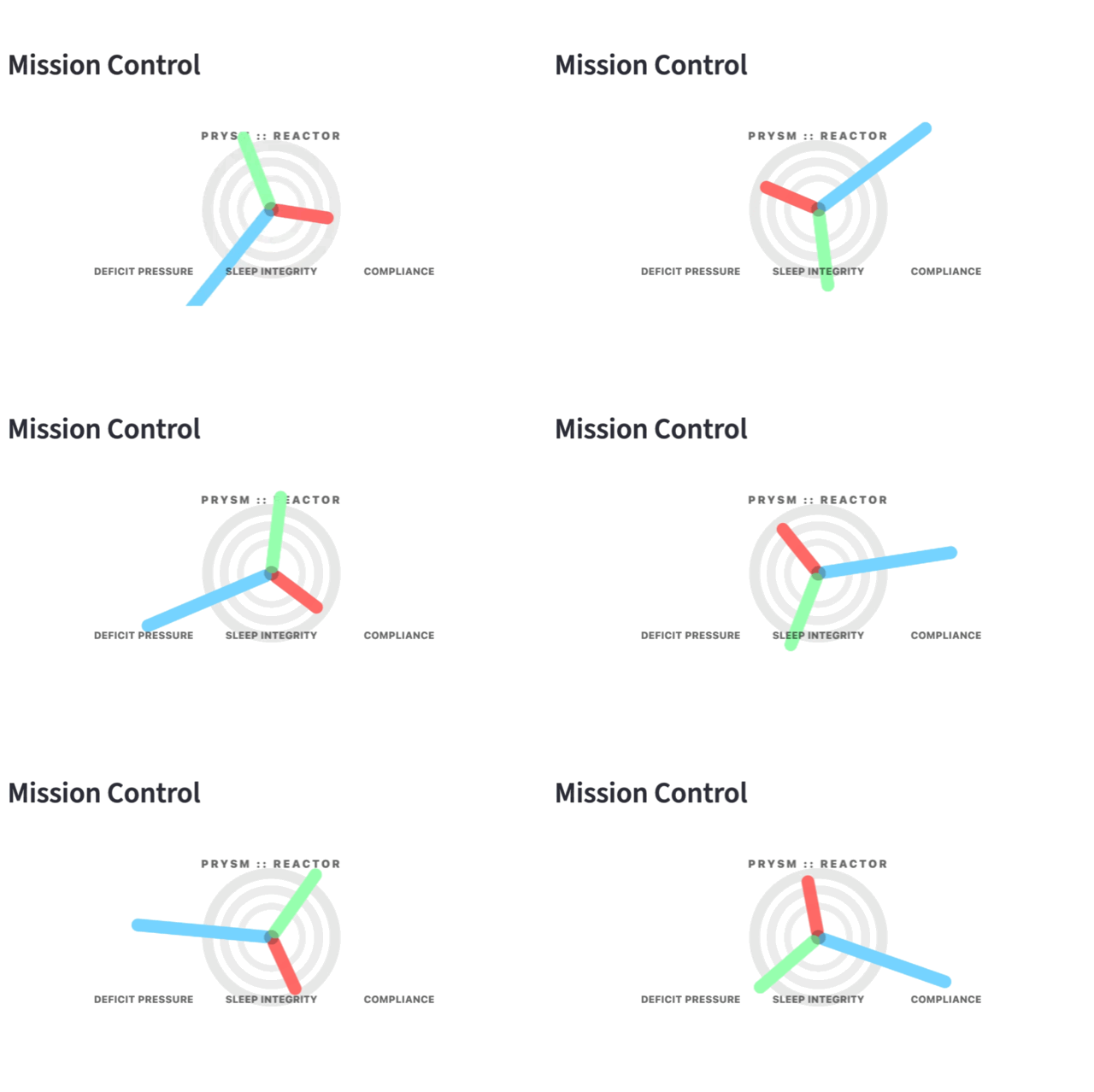
Resolution: PRYSM integrates biometric signals, movement signatures, and fatigue indicators into a unified analytics interface.
Impact: Predicts recovery readiness and performance risk before training begins.
Technologies: Python, Streamlit, biomechanical modeling, data visualization.
Challenge: Performance degrades under cognitive load and instability, with no system linking neurological state to movement control.
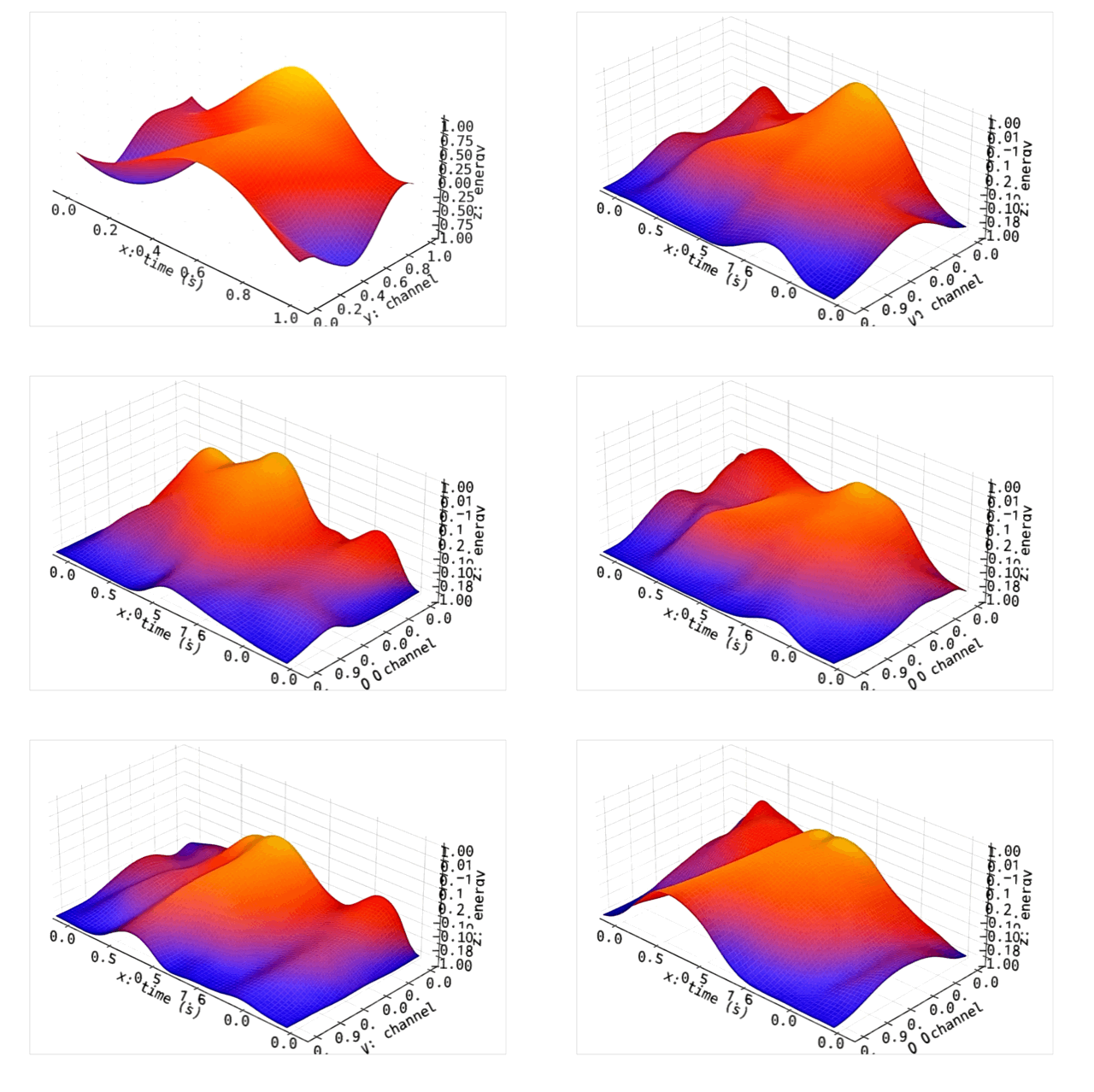
Resolution: NeuroDrift combines biomechanical feedback, breath control, and neural rhythm tracking into a continuous stabilization loop.
Impact: Improves balance, coordination, and resilience under stress while maintaining precision and control.
Technologies: Python, signal processing, motion analysis, real-time feedback systems.
Challenge: Human and machine systems operate separately, creating friction, latency, and inefficient decision-making.
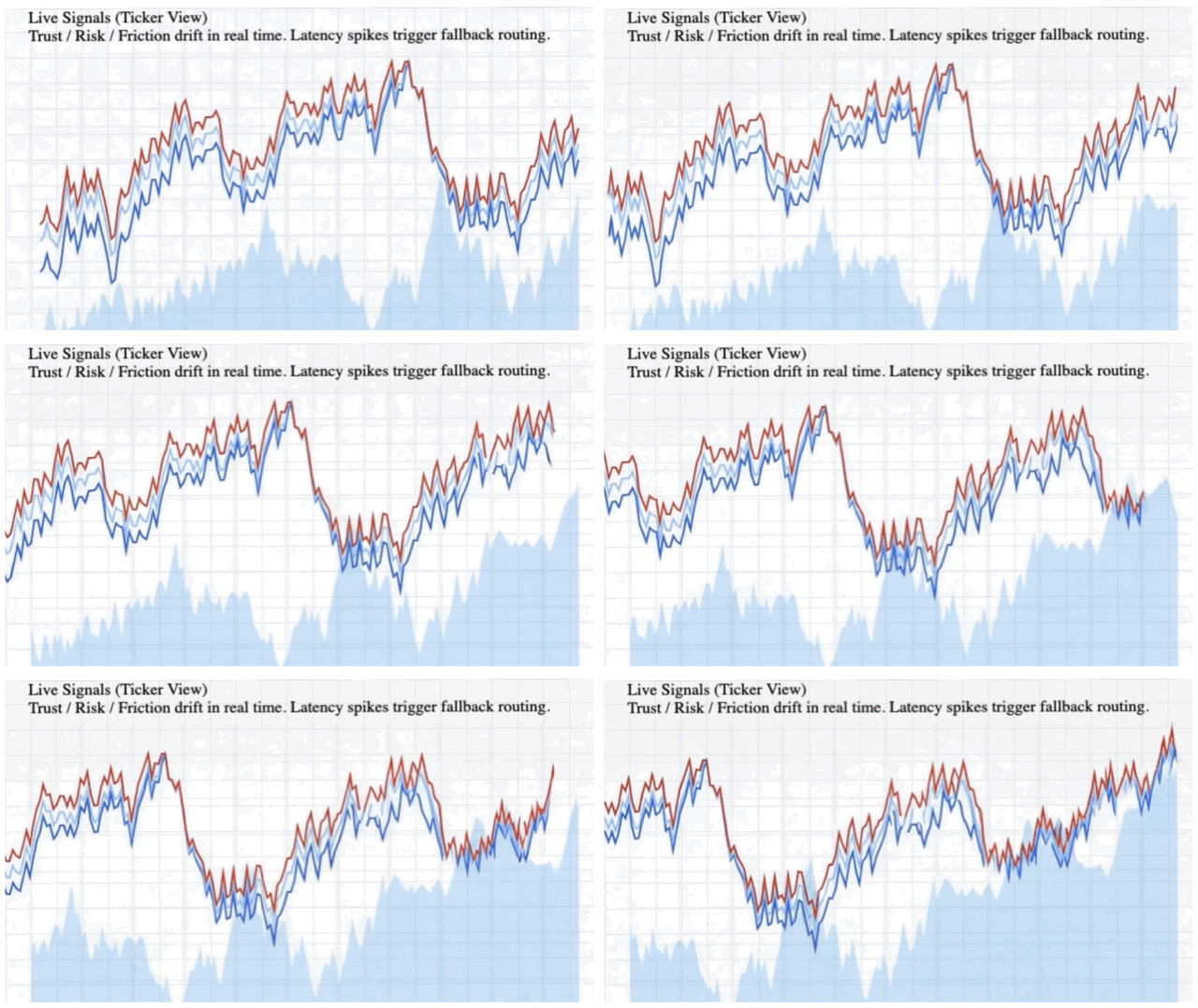
Resolution: Symbiosis unifies human input, environmental data, and AI into a synchronized interaction layer.
Impact: See how capture, interpretation, and response logic can become a human-facing payment experience.
Technologies: AI integration, sensor fusion, real-time data pipelines, adaptive interfaces.

Challenge: Traditional energy systems rely on combustion and containment, limiting scalability and stability.
Resolution: WASP models a pressure-stabilized plasma reaction driven by environmental variables instead of fuel.
Impact: Demonstrates controllable, high-density energy while revealing the boundary between stability and escalation.
Technologies: Python, Streamlit, real-time simulation, and parametric modeling.